
 sign up
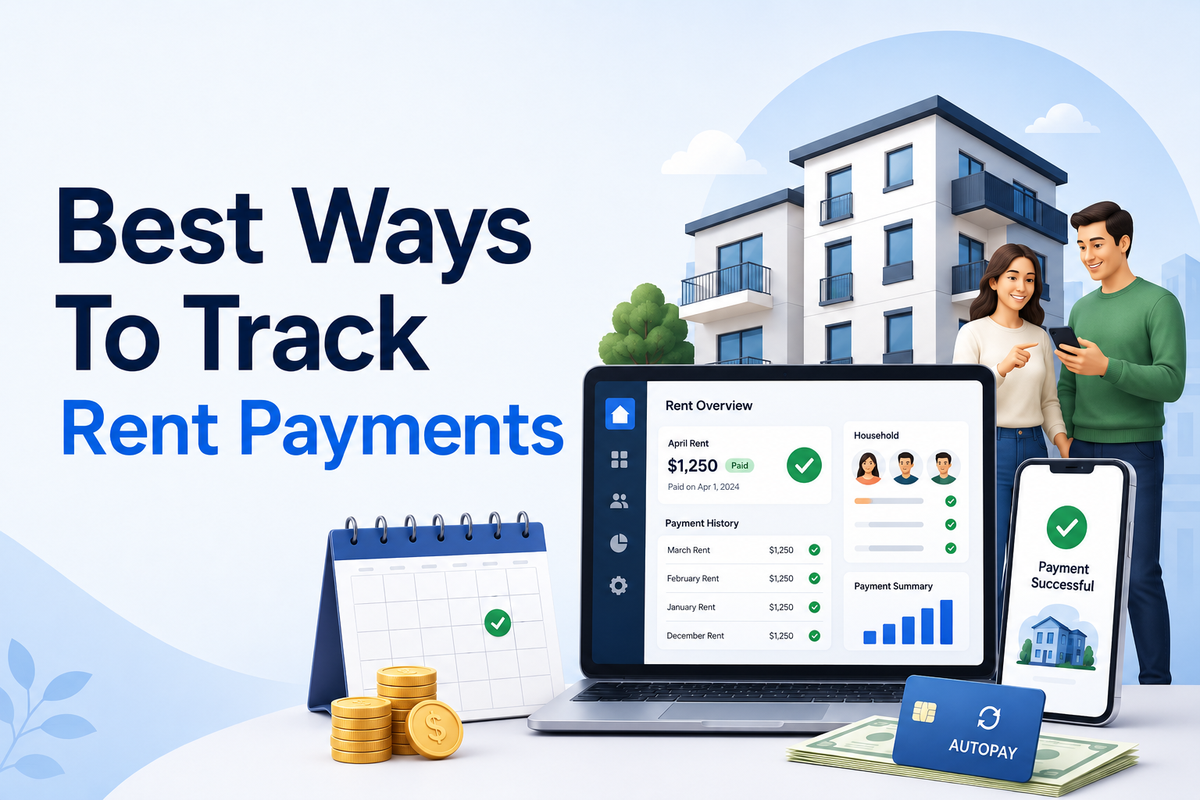
Best Ways To Track Rent Payments - Setli

Jun 07, 2026

4 min read
Tracking rent payments sounds simple until multiple tenants, shared bills, bank transfers, screenshots, and late payments start getting involved.
For many landlords, hosts, tenants, and shared households, rent tracking can quickly become messy and stressful.
Whether you manage a shared house, rental property, or simply split rent with housemates, having a proper rent tracking system can save time, reduce awkward conversations, and improve organisation.
Why Rent Tracking Becomes Difficult
Many people still track rent payments manually using spreadsheets, banking apps, screenshots, text messages, notes apps, and reminders.
While this may work at the start, problems usually appear over time.
Common issues include forgetting who has already paid, losing track of partial payments, confusion around due dates, awkward rent reminder conversations, disputes over previous payments, and difficulty tracking shared household bills.
Without a proper system, managing rent can quickly become frustrating.
1. Use Automatic Payment Tracking
Automatic rent tracking removes the need to manually record every payment.
Instead of constantly checking bank accounts, screenshots, and messages, automated systems help provide clearer visibility over paid rent, overdue payments, upcoming rent, recurring payments, and shared household expenses.
Automation can also help reduce communication issues between tenants, hosts, landlords, and housemates.
When payment information is easier to see, everyone has a clearer understanding of what has been paid and what still needs attention.
2. Keep Payment History Organised
One of the most important parts of rent management is maintaining accurate payment history.
Organised records can help with rental applications, proof of payment, budgeting, tax preparation, tenant references, and shared living disputes.
When rent records are scattered across bank accounts, screenshots, messages, and spreadsheets, it becomes much harder to find the right information when it is needed.
Keeping payment history in one organised place makes rent tracking easier and reduces the risk of confusion.
3. Set Clear Due Dates And Reminders
Late payments are often caused by poor communication, unclear due dates, or forgotten payment dates.
Automatic reminders can help reduce awkward conversations by notifying tenants before rent becomes overdue.
This keeps expectations clear for everyone involved and helps reduce the need for manual follow-up messages.
Clear due dates and consistent reminders can make rent management feel more structured and less stressful.
4. Track Shared Bills Alongside Rent
In shared houses, rent is often only one part of the financial management process.
Electricity, water, internet, groceries, and other household expenses can create even more confusion if they are tracked separately.
Combining rent tracking and bill management into one system can help avoid arguments, double payments, missed expenses, and confusion over who owes what.
This is especially useful for shared households where multiple people contribute to different costs.
5. Avoid Relying Only On Screenshots And Spreadsheets
Screenshots and spreadsheets can help temporarily, but they often become difficult to manage long-term.
Manually updating rent records every week or month becomes time-consuming and increases the risk of mistakes.
Screenshots can get lost, spreadsheets can become outdated, and group chat messages can become hard to search through.
A more organised system helps reduce stress and improves transparency for everyone involved.
Why Digital Rent Tracking Is Becoming More Important
As shared living and rental arrangements continue to grow, digital rent tracking tools are becoming increasingly valuable.
People now expect better payment visibility, automated reminders, digital records, organised expense tracking, and easier communication.
Modern rental management platforms are helping simplify the process for both tenants and hosts by bringing important rental information into one place.
How Setli Helps Simplify Rent Tracking
Setli is being developed to help simplify rental and shared living management by providing tools for rent tracking, automated reminders, bill splitting, rental history, shared household organisation, and payment management.
The goal is to reduce the stress, confusion, and awkward conversations that often come with managing shared living arrangements.
Instead of relying on screenshots, spreadsheets, banking apps, and manual messages, Setli aims to make rent tracking clearer and easier to manage.
Final Thoughts
Tracking rent payments should not feel like a second full-time job.
Having organised systems, automated reminders, and clear payment visibility can dramatically improve the shared living experience for both tenants and hosts.
As rental management continues moving online, platforms that simplify payment tracking and household organisation will become increasingly important.