
 sign up
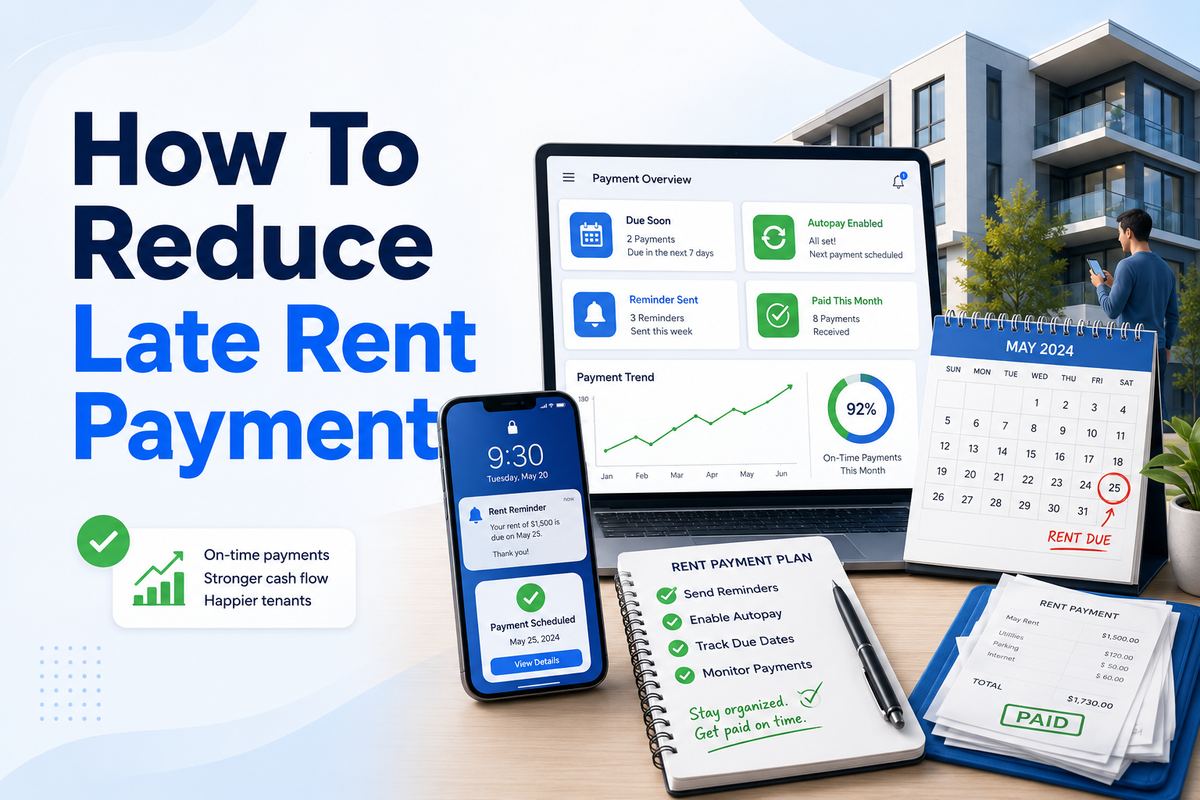
How To Reduce Late Rent Payments | Rental Payment Management Guide | Setli

Jun 07, 2026

4 min read
Late rent payments are one of the most common challenges in rental and shared living management.
Whether you manage a shared house, rental property, or multiple tenants, overdue payments can quickly create stress, awkward conversations, and financial pressure.
The good news is that many late payment problems can be reduced through better organisation, clear communication, and simple payment systems.
With the right process in place, rent becomes easier to track, easier to manage, and easier for everyone to stay on top of.
Why Rent Payments Become Late
Late rent does not always happen because someone is intentionally avoiding payment.
In many cases, rent becomes late because of simple everyday issues such as forgotten due dates, poor communication, budgeting pressure, delayed wages, shared household confusion, inconsistent reminders, or manual tracking.
Even reliable tenants can occasionally miss payments when the process is unclear or disorganised.
Use Automated Rent Reminders
One of the simplest ways to reduce late rent payments is by using automated reminders.
Automatic reminders help tenants stay aware of upcoming rent, due dates, overdue balances, and recurring payments.
This reduces forgotten payments and removes much of the awkwardness from manual follow-up conversations.
Instead of repeatedly chasing payments, reminders create a more consistent and professional process.
Keep Payment Tracking Organised
Many households still rely on screenshots, spreadsheets, banking apps, mental tracking, and random messages to manage rent.
Over time, this can create confusion around who has paid, what is overdue, whether a partial payment has been made, and where payment records are stored.
Clear payment tracking helps improve accountability, reduce misunderstandings, and make rental management easier for both tenants and hosts.
Create Clear Payment Expectations
One of the best ways to reduce payment problems is to establish clear expectations early.
This includes setting clear rent due dates, payment methods, reminder processes, shared bill responsibilities, and overdue payment expectations.
When everyone understands the process from the beginning, there is less room for confusion later.
Clear expectations also make payment conversations easier because everyone knows what has been agreed.
Simplify Shared Bill Management
In shared living arrangements, rent is usually only one part of the financial picture.
Electricity, internet, water, groceries, and other household expenses can also create confusion if they are not tracked properly.
Poor bill organisation can affect the overall payment routine and create unnecessary household stress.
Keeping rent and shared bills organised together helps improve visibility and makes it easier for everyone to understand what they owe.
Maintain Clear Payment History
Accurate payment records help both tenants and hosts understand payment consistency, overdue amounts, recurring expenses, and rental history.
Clear payment history can also help with future rental applications, tenant references, budgeting, and dispute resolution.
When payment history is easy to access, there is less confusion about what has been paid and what is still outstanding.
Communicate Early When Problems Appear
Small payment issues are usually easier to resolve early.
Avoiding communication can create household tension, frustration, misunderstandings, and larger overdue balances.
Clear and respectful communication helps prevent small problems from becoming bigger disputes.
When tenants and hosts can see the same payment information, conversations become easier and more fact-based.
Why Digital Rental Management Is Becoming More Important
Rental management is becoming more digital.
Tenants, hosts, and landlords increasingly expect automated reminders, payment visibility, organised records, easier communication, and simplified rental management.
Modern rental platforms help reduce manual tracking and make it easier to manage rent, bills, and household payments in one place.
This can reduce late payments, improve communication, and create a smoother rental experience for everyone involved.
How Setli Helps Simplify Rental Management
Setli is being developed to help simplify rental and shared living management.
The platform is designed to support:
- rent tracking
- automated reminders
- payment visibility
- bill splitting
- payment history
- household organisation
- rental management
Setli’s goal is to reduce stress, improve transparency, and make managing rental payments easier for tenants, hosts, landlords, and shared households.
Final Thoughts
Reducing late rent payments is often less about strict enforcement and more about better organisation, communication, and visibility.
Clear systems, automated reminders, and organised payment tracking can improve payment consistency and reduce household stress.
As rental management continues moving online, digital tools that simplify payment organisation and communication are becoming increasingly valuable.